The Role of Parks in Community Recreation
Parks play an essential role in fostering community recreation, enhancing mental and physical well-being, and promoting social interaction. This article explores the multifaceted benefits parks offer to communities, particularly in the Czech Republic, and how they contribute to outdoor activities such as walking, cycling, and light tourism.
Understanding the Importance of Parks
Parks are not merely green spaces; they are vital components of community infrastructure. Research indicates that access to parks can significantly improve community health outcomes. For instance, studies show that individuals who live near parks are more likely to engage in regular physical activity, which can reduce the risk of chronic diseases.
"Access to nature is linked with numerous health benefits, including lower stress levels and improved mood," says Dr. Maria Novak, a public health expert.
Benefits of Parks for Outdoor Activities
Parks facilitate various outdoor activities, each offering distinct advantages:
- Walking: Parks provide safe, scenic environments for walking, which studies suggest can improve cardiovascular health and reduce anxiety.
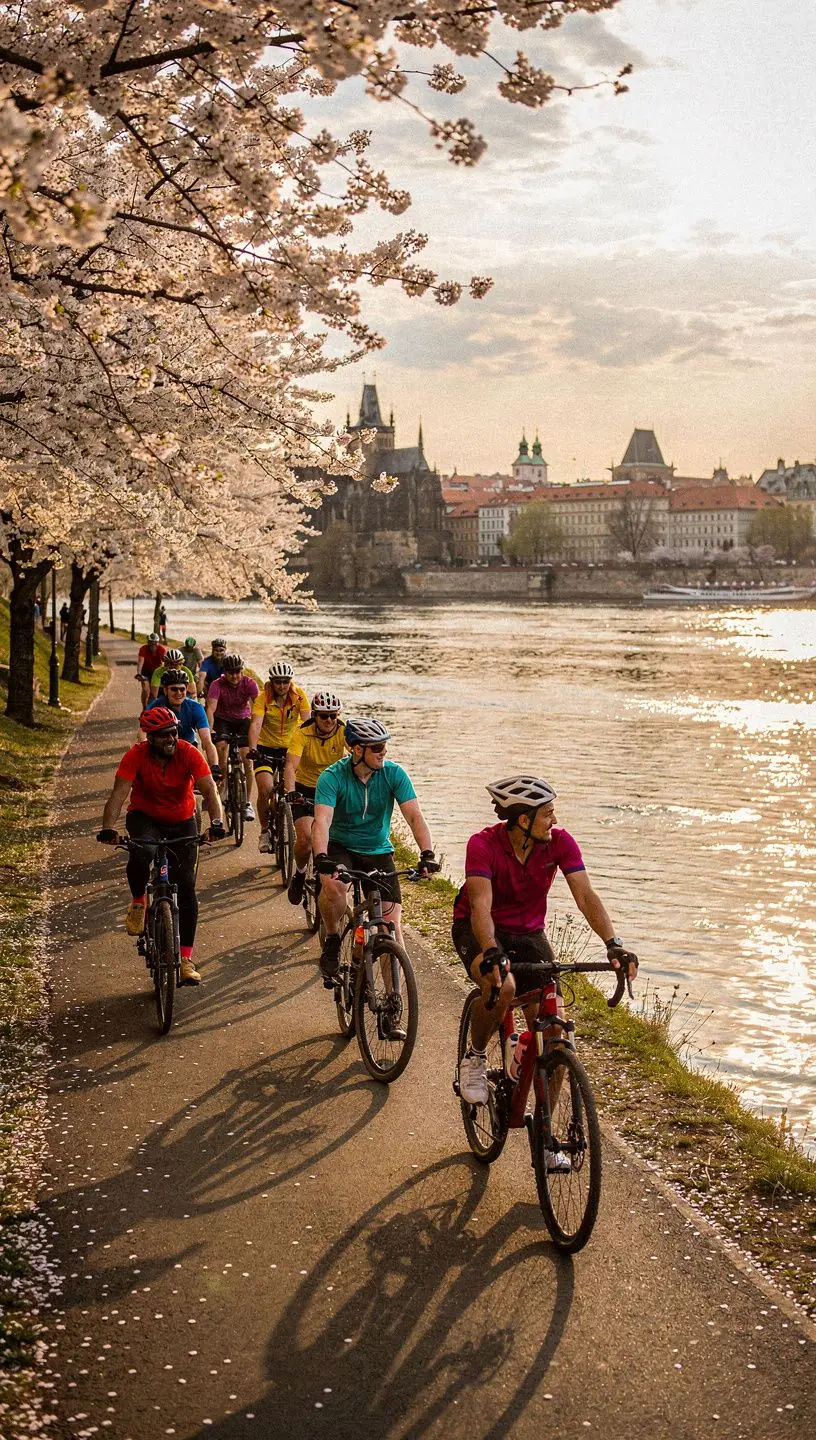
- Cycling: Many parks feature dedicated cycling paths, promoting an active lifestyle. Research indicates that cycling can improve overall fitness and mental health.
- Light Tourism: Parks often serve as destinations for light tourism, attracting visitors to explore local flora, fauna, and recreational opportunities.
Encouraging Community Engagement
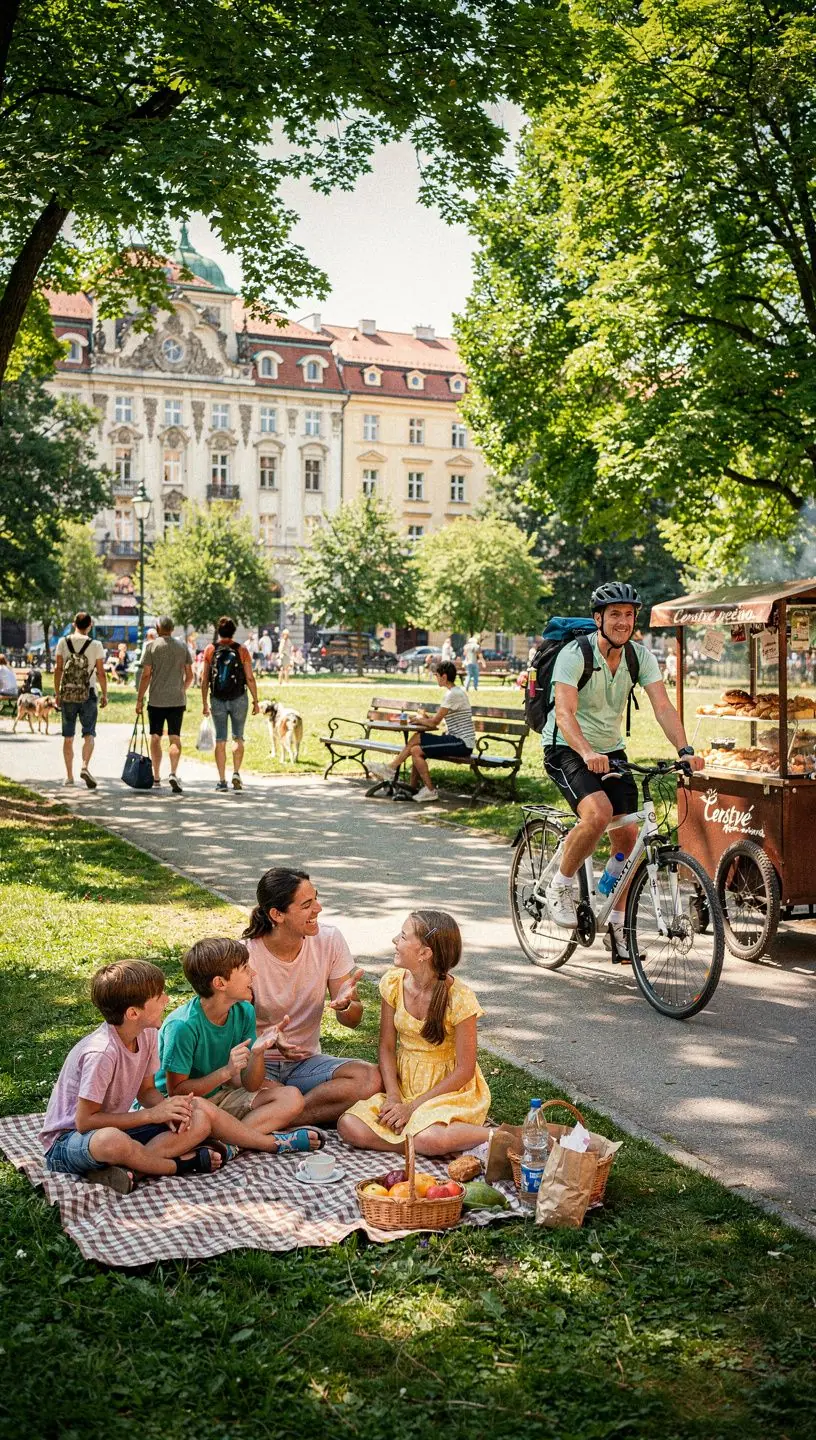
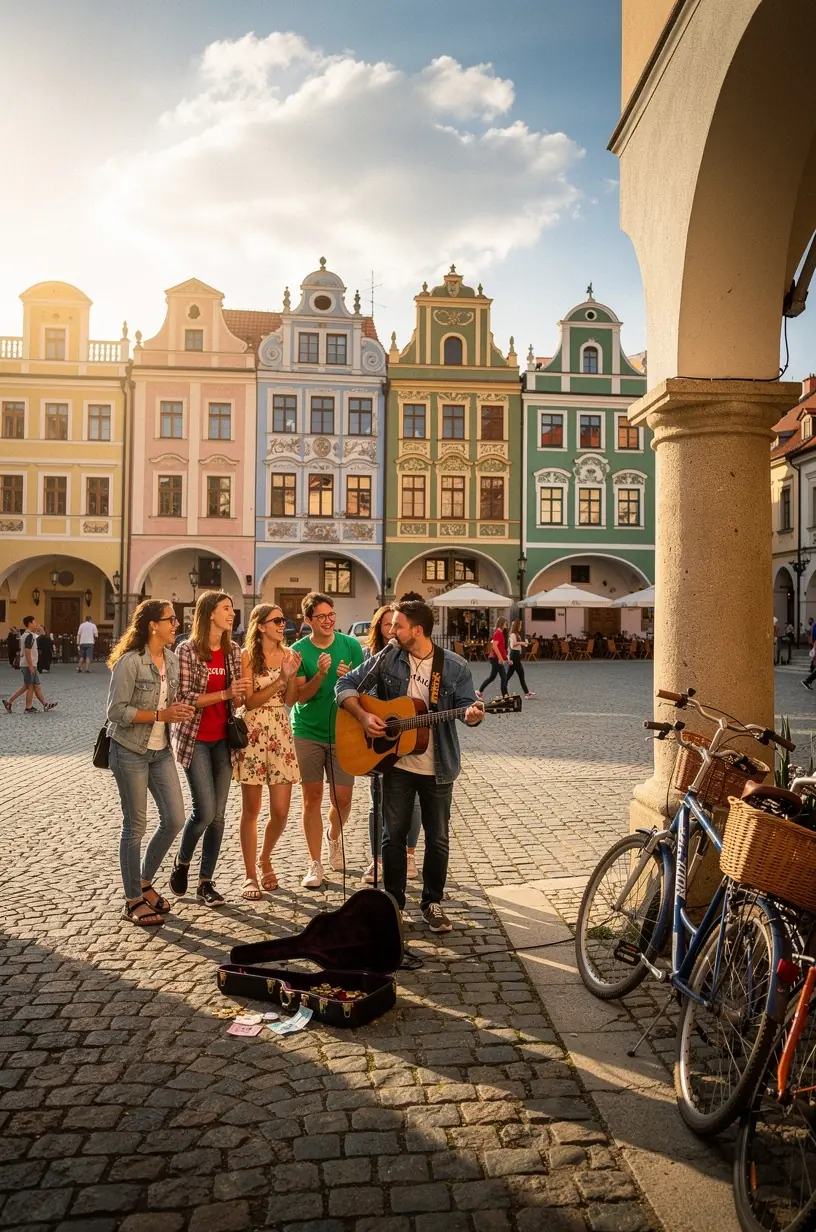
Parks also act as social hubs, encouraging community engagement through organized activities and events. Many users report enjoying local events held in parks, which foster a sense of belonging and community spirit. According to the Czech Association of Parks and Recreation, community events in parks can lead to increased volunteerism and civic pride.
Creating Inclusive Spaces
For parks to truly serve their communities, they must be inclusive and accessible. This often involves:
- Designing pathways that accommodate all mobility levels, making parks suitable for families, seniors, and individuals with disabilities.
- Ensuring a variety of recreational facilities are available, such as playgrounds, sports fields, and picnic areas, to cater to diverse interests.
- Involving community members in the planning process to better reflect the needs and desires of local residents.
Challenges and Limitations
While parks offer substantial benefits, several challenges must be addressed:
- Maintenance: Parks require regular upkeep to remain safe and enjoyable. Budget constraints can limit maintenance efforts, leading to underutilization.
- Accessibility: Not all communities have equal access to parks. Urban areas may struggle with overcrowded parks, while rural areas may lack nearby recreational spaces.
- Environmental Impact: Parks can have environmental implications, including habitat disruption. Sustainable practices are essential to mitigate these effects.
Conclusion
In summary, parks play an indispensable role in community recreation, offering numerous benefits for physical health, mental well-being, and social cohesion. By actively participating in park development and maintenance, communities in the Czech Republic can enhance the quality of life for their residents. While challenges exist, a collective effort can foster vibrant parks that truly serve the needs of the community, promoting an active and engaged lifestyle.
Learn More